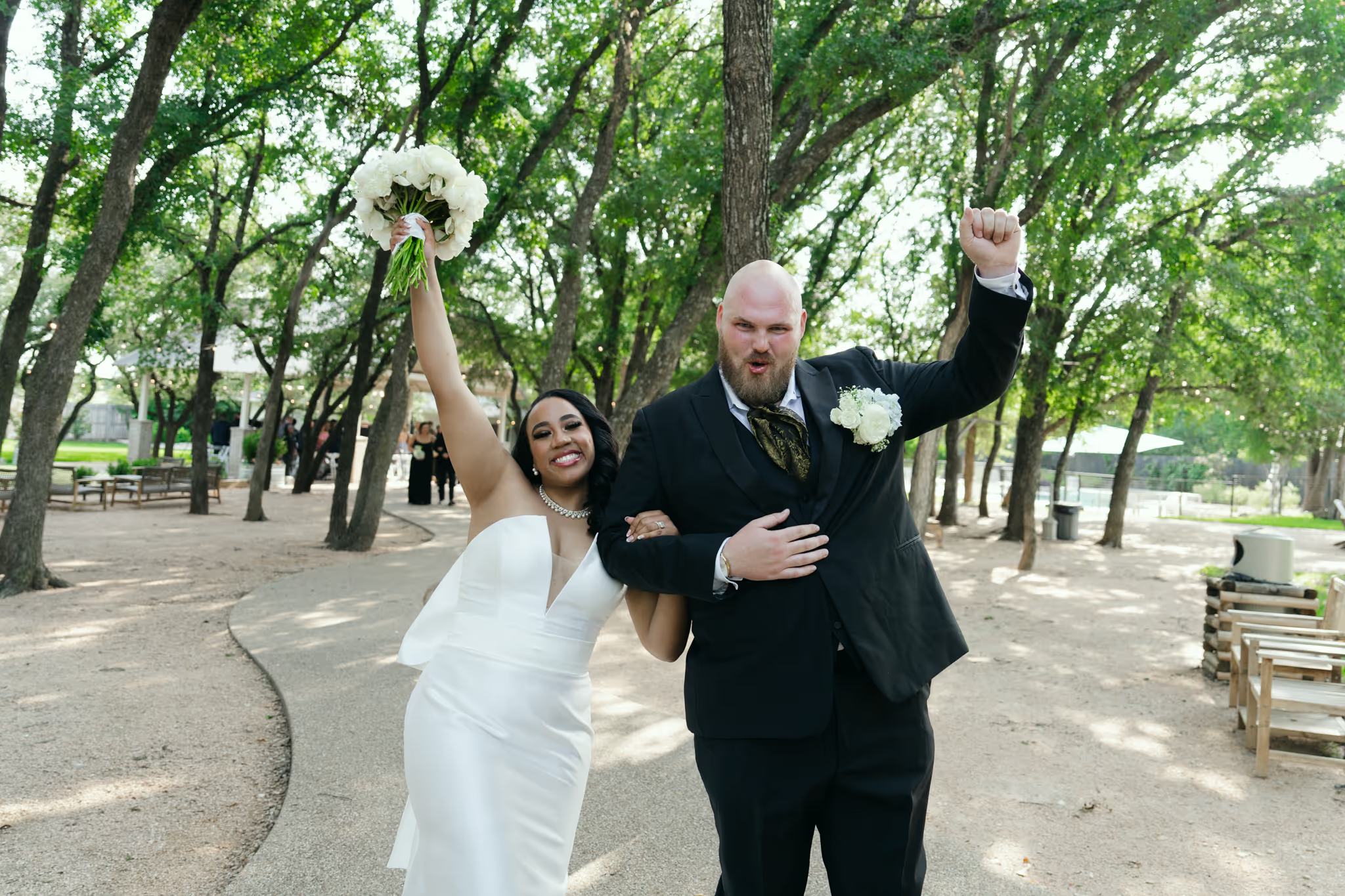


As an Austin Texas wedding photographer, I’ve watched tons of wedding days unfold. Some flow with ease, leaving couples glowing and present. Others feel like they’re racing against the clock, with barely a moment to breathe.
The difference? It’s rarely about budget, guest count, or venue. It almost always comes down to the Austin wedding timeline.
Your timeline isn’t just a schedule. It’s the framework that holds space for everything your day is meant to be—joyful, meaningful, and deeply felt. When it’s built with intention, it gives you permission to slow down, to notice, to actually live the moments you’ve been dreaming about.
How Your Wedding Day Timeline Shapes Your Experience
Here’s what I’ve learned photographing weddings across Austin and the Texas Hill Country: the timeline determines whether you’re present or performing.
When there’s enough time built in, I watch couples relax into the day. They linger over morning coffee individually with their closest friends, letting the reality of what’s happening sink in. They laugh during family photos instead of rushing through them.
When the timeline is too tight, I see something different. Couples checking their watches during their own portraits session. Important moments happening so fast they barely register. The exhaustion, hunger, and stress shows up in photos, no matter how good the light is.
The truth is, your wedding photos will reflect how your day actually felt. If it feels rushed, that shows up. If it felt spacious and intentional, that shows up too.
Planning Your Austin Wedding Timeline: Building Space for What Matters
As a documentary wedding photographer in Austin, my job isn’t just to show up and take photos. It’s to help you think through how your day unfolds so there’s room for the moments that matter most.
This starts with understanding what you actually care about. Maybe it’s having time with your parents before the ceremony. Maybe it’s a quiet moment alone with your partner right after you’re married. Maybe it’s making sure your grandparents aren’t standing in the heat for too long during photos.
Whatever it is, the timeline needs to reflect that… not just accommodate vendors or traditions that don’t resonate with you.
I often tell couples: if something doesn’t feel essential to your day, you don’t have to include it. Your Austin wedding timeline should serve your experience, not the other way around.
Wedding Photography Timeline: Why Getting Ready Hours Matter
One of the biggest timeline mistakes I see? Underestimating how meaningful the getting ready portion of your day will be.
I get it. It feels less important than the ceremony or the reception. But here’s what actually happens during those hours: you’re surrounded by the people who’ve known you longest. Your mom zips your dress. Your best friend makes a toast with champagne. You see your partner’s note for the first time. You catch your reflection and realize this is really happening.
These moments are quiet, but they’re powerful. And when there’s time for them to unfold naturally, they become some of the most emotional images from your entire day.
When I work with couples planning their wedding in the Hill Country or downtown Austin, I always advocate for building extra time into the morning. Not to add more activities, but to remove the pressure. So you’re not doing your makeup while also trying to FaceTime your sister or answer vendor questions.
Just space. To be together, to let things happen as they need to.
Texas Wedding Photography: Why Light Should Influence Your Timeline
If you care about how your photos look—and I’m guessing you do, or you wouldn’t be reading this—then your Austin wedding timeline needs to work with natural light, not against it.
The best light happens twice a day: in the soft glow of morning and the golden hour before sunset. The harshest, least flattering light? Midday, especially in Texas summers.
Working with an experienced Austin wedding photographer means having someone who will help you plan around light, and also your energy. Not because I can’t work in harsh conditions, but because I want your photos to feel as beautiful as your day deserves.
That might mean starting your ceremony a little earlier. Or building time after the ceremony for portraits during golden hour instead of rushing straight into cocktail hour. These small adjustments make a massive difference in how your images look and feel.
Why Margins Matter More Than a Perfect Schedule
One thing I always encourage: build margins into your Austin wedding timeline.
What does that mean? It means if you think family photos will take 30 minutes, plan for 45. If you want 20 minutes alone with your partner after the ceremony, block 30.
Weddings are unpredictable. Your flower girl might need a bathroom break. Your uncle might show up late. Your dress might need a last-minute adjustment. That’s not a problem… unless your timeline has zero room for life to happen.
Margins aren’t about expecting things to go wrong. They’re about giving yourself permission to be human. To take an extra moment when you need it. To not feel stressed when something takes longer than planned.
I’ve photographed weddings where everything ran early, and I’ve photographed weddings where everything ran late. The ones that felt the best? The ones with built-in breathing room.
Austin and Hill Country Wedding Timeline: A Full Day Example
Let me walk you through what I typically recommend for a full wedding day in Austin or the surrounding Hill Country. Every wedding is different, but this gives you a solid foundation to work from.
Morning: 10:00 AM – 1:00 PM — Getting Ready
This is where the anticipation for your big day starts to build. The calm hours, getting all glammed up with your closest people, your best friends, your siblings. A lot of important little things happen here.
This is when I arrive if we're doing full-day coverage. If your details matter to you, that's the first thing I shoot. The dress, the rings, the invitations, your shoes, the flowers. I photograph all of those flatlays as soon as I get there, so they're done early and out of the way before the morning picks up.
My approach is documentary, with a little styling and directing to make the most of it. Then the final touches. You get into your wedding outfits and I'm there for all of it. The light is soft, the energy is calm, and there's space to document the little moments before the rush begins.
Early Afternoon: 1:00 PM – 3:00 PM — First Look & Portraits
First look if you're doing one, couple portraits, and family photos. This is one of the spots where I'll guide you a little more. Stomach to stomach, slow it down, that kind of thing, so you move like yourselves but never feel stuck. Doing this before the ceremony means you're fresh, the light is still manageable, and if it's important to you, you can get to enjoy cocktail hour later.
Late Afternoon: 3:00 PM – 5:30 PM — Ceremony
Ceremony and immediate family portraits. This is where I step back and let it unfold. The vows, the looks, your people crying in the front row. I came from landscape photography, so I'm reading the scene the whole time, watching where the light is going and who's about to break. By starting your ceremony around 5:00 or 5:30 (or a little earlier if your date is in winter), you're working with better light and giving guests a more comfortable outdoor experience. That matters a lot for Texas summers.
Evening: 5:30 PM – 7:00 PM — Golden Hour & Cocktail Hour
Cocktail hour, couple portraits during golden hour, and the move into the reception. This is when the light is at its best, and I always build the timeline to protect it. These are the images you'll want to frame, so it's worth not letting this window slip away to logistics.
Night: 7:00 PM Onwards — Reception
Dinner, toasts, dancing, all of it. The energy shifts, the celebration deepens, and everyone finally exhales. This is where I step all the way back again. Some of the most joyful, spontaneous moments of your day happen here, and most of them are the ones nobody planned.
When I build a custom timeline, this is the thinking behind it. I'm shaping the day around light, emotion, and what matters most to you, not just slotting in events. Does every wedding need to follow this exact flow? Not at all. But it gives you a sense of how pacing can make room for both structure and spontaneity.
Why Your Hill Country Wedding Photographer’s Timeline Guidance Matters
Here’s something I want you to know: timeline planning is one of the most valuable things your Hill Country wedding photographer can offer you.
We’ve been there. We’ve seen what works and what doesn’t. We know how long things actually take, not how long Pinterest says they should take.
If your photographer suggests building more time for something, or shifting the ceremony time, or rethinking the order of events… listen. They’re not being difficult. They’re trying to protect your experience.
At the same time, you know your people and your priorities better than anyone. If you want to spend an hour with your grandparents during cocktail hour, tell me. If you don’t care about a bouquet toss, we’ll skip it. If you need 10 minutes alone to decompress before the reception, we’ll make it happen.
The best Austin wedding timelines come from collaboration. You bring the vision, I bring the experience, and we shape something that actually works for your day.
What Happens When the Timeline Falls Apart
Even with the best planning, sometimes things don’t go according to plan. The hair and makeup artist runs late. The ceremony starts 20 minutes behind schedule. Cocktail hour gets extended because dinner isn’t quite ready.
And you know what? It’s okay.
A good timeline builds in flexibility. A good photographer adapts without making you feel stressed. A good wedding day isn’t about perfection… it’s about presence.
I’ve photographed beautiful weddings that ran an hour behind schedule. The couple didn’t panic, the vendors adjusted, and in the end, no one remembered the delays. They remembered how it felt.
That said, if you want your day to feel calm and intentional, the timeline is your biggest tool. It won’t prevent every hiccup, but it will give you a foundation that holds even when things shift.
Your Wedding Timeline Reflects Your Values
At the end of the day, your Austin wedding timeline is a choice about what you value.
Do you value time with your families? Build it in. Do you value beautiful photos in great light? Plan around it. Do you value a long, leisurely dinner with your favorite people? Protect that time.
Your timeline is one of the few things you have complete control over. Use it to create the experience you actually want, not the one you think you’re supposed to have.
Austin Texas Wedding Photographer: Let’s Plan Your Day with Intention
If you’re planning a wedding in Austin, the Hill Country, or anywhere in Texas, and you want a photographer who cares as much about how your day feels as how it looks, I’d love to talk.
I don’t just show up and take photos. I help you think through the flow of your day, build a timeline that creates space for what matters, and then document it all with patience and intention.
Because your wedding is more than a schedule. It’s a story. And the best stories need room to unfold.
Get in touch to start planning your day.
Frequently Asked Questions: Austin Wedding Timeline
How long should a wedding day timeline be in Austin?
Most full wedding days in Austin run 8–12 hours of coverage, depending on how much of the day you want documented. A typical timeline starts with getting ready in the morning and ends after the reception. The key isn’t just length — it’s building enough breathing room within the day so nothing feels rushed.
What time should I schedule my Austin outdoor wedding ceremony?
For outdoor ceremonies in Austin, late afternoon is ideal — around 4:00 to 5:30 PM. This avoids the harsh midday Texas sun, gives guests a more comfortable experience, and puts you in position for beautiful golden hour portraits right after the ceremony. Avoid 2–3 PM if you can, unless your ceremony is indoors, especially in summer.
How much time should I allow for wedding portraits in Austin?
For couple portraits, I recommend at least 30–60 minutes, ideally during golden hour. For family formals, budget 30–45 minutes depending on how many combinations you need. Always add buffer time — gathering family members takes longer than anyone expects, and rushing portraits shows up in the photos.
Should I do a first look before the ceremony?
A first look — seeing each other privately before the ceremony — has real timeline advantages. It means you can complete most of your portraits before the ceremony, freeing you up to actually enjoy cocktail hour with your guests. It also tends to calm nerves before you walk down the aisle. That said, if the traditional reveal is important to you, we can absolutely work around it.
How involved is my Austin wedding photographer in timeline planning?
A good Austin wedding photographer should be actively involved in helping you build your timeline — not just show up and follow it. I work with every couple to think through light, pacing, portrait time, and how the day flows from start to finish. This is one of the most valuable parts of the planning process, and it makes a huge difference in how your day feels and how your photos turn out.
We asked Marcela if she could capture our wedding in Germany and the pictures turned out so beautiful. I'm so thankful for her magical work and I can't wait to book my next shooting with her. 📸❤️

Every story starts somewhere
I know you’re planning a day that’s meaningful, personal, and full of heart — and I’d love to hear all about it.